
Nutrition for Winter Wellness
Winter tends to bring more than just colder weather. Shorter days, disrupted sleep, increased stress, indoor heating, and higher exposure to viruses all place extra demands on the body. While nutrition can’t make us invincible, it plays a central role in how resilient we are - how well we respond to infections, how hard illness hits, and how quickly we recover.
Rather than focusing on quick fixes or immune “boosting”, winter nutrition is about supporting the body’s underlying systems so they can do their job effectively.
How nutrition supports immune health
1. It supports immune cell function
Immune cells are highly active and energy-demanding. They require adequate calories, protein, vitamins, and minerals to function properly. Over time, undereating, limited dietary variety, or overly restrictive approaches can impair immune responses and recovery.
2. It strengthens physical barriers
The body’s first line of defence isn’t immune cells - it’s physical barriers. The mucous membranes lining the nose, throat, lungs and gut help trap and remove pathogens before they cause infection. Adequate nutrients and fluids help keep these barriers intact and functional. When they become dry or compromised, viruses and bacteria can gain a foothold more easily.
3. It helps regulate inflammation
A well-nourished immune system responds appropriately: strong when needed, and able to settle afterwards. Diets low in fibre and high in ultra-processed foods are associated with chronic low-grade inflammation, which can weaken immune resilience and increase susceptibility to illness.
4. It supports the gut–immune connection
Around 60–70% of immune cells are located in the gut. The gut plays a key role in immune regulation, deciding when to react and when to remain calm. Nutrition that supports gut health helps reduce unnecessary immune activation and supports appropriate responses to real threats.
5. It helps the body cope with winter stressors
Winter often brings poorer sleep, less daylight, increased stress, and repeated infection exposure. Adequate nutrition supports energy levels, recovery, and the body’s ability to adapt to these cumulative stressors.
From a “terrain” perspective, nutrition helps shape how the body responds to exposure, influencing whether we succumb to illness, how severe symptoms are, and how long recovery takes.
Winter nutrition: where to focus
When thinking about winter wellness through nutrition, I encourage people to focus on three interconnected areas:
Fibre as immune nourishment
Hydration as immune defence
Everyday kitchen staples that quietly support immunity
These are not about extremes or perfection. They’re about consistency and support - small actions that add up over time.
Why fibre matters more than you might think
Fibre plays a central role in immune regulation because it supports gut health.
The gut is one of the body’s biggest contact points with the outside world. It processes food, encounters microbes daily, and acts as a major immune barrier. When the gut lining is compromised, the immune system has to work harder, and inflammation can increase.
Fibre helps by:
Supporting the integrity of the gut lining
Feeding beneficial gut bacteria
Promoting production of short-chain fatty acids (SCFAs), which help regulate immune responses
Supporting microbial diversity, which is linked to better immune regulation
Reducing chronic low-grade inflammation
In winter - when stress, sleep disruption and infection exposure are higher - this gut-mediated immune support becomes even more important.
Increasing fibre in a realistic, everyday way
This doesn’t require supplements or dramatic dietary changes. The most effective approach is to add, not restrict.
Add one fibre-rich food per meal rather than overhauling everything
Include more vegetables, fruit, beans, lentils, nuts and seeds
Start the day with fibre (oats, fruit, seeds)
Bulk meals with vegetables you already enjoy (frozen counts)
Add beans or lentils to soups, sauces or salads rather than using them as replacements
Snack naturally on fruit, vegetables, nuts or seeds
Swap refined grains for whole grains when possible
Sprinkle seeds (chia, flax, pumpkin, sunflower) onto meals you already eat
Cook once, eat twice - leftovers make fibre-rich meals more accessible
Increase fibre gradually and make sure fluid intake keeps pace. Even small, consistent increases make a meaningful difference.
Hydration: an often-overlooked immune support
Hydration is easy to underestimate, especially in winter.
Every cell in the body relies on water to carry out normal metabolic and immune functions. Hydration supports immune health by:
Maintaining healthy mucous membranes in the mouth, nose, throat, lungs and gut
Supporting lymphatic flow so immune cells can circulate efficiently
Maintaining blood volume and nutrient delivery to tissues
Supporting temperature regulation during infection and inflammation
Helping remove metabolic waste products via the kidneys and gut
Dehydration can subtly impair immune responses even before thirst is obvious, and winter increases dehydration risk due to indoor heating, cold air, and reduced thirst signals.
Hydration as part of immune defence
Hydration doesn’t prevent illness, but it helps the body’s natural defence systems function properly. When hydration is inadequate, these systems become less efficient.
It’s also not just about drinking more water.
Regular intake across the day matters more than volume
Warm fluids are often better tolerated and more supportive in winter
Herbal teas, warm water, soups and broths all contribute
Sipping little and often supports absorption better than large amounts at once
Warm fluids can support circulation and comfort, which matters in cold weather
Gentle intention is often needed in winter, as thirst cues are blunted.
The power of everyday kitchen staples
Immune support doesn’t require exotic or expensive ingredients. Many familiar foods quietly support digestion, inflammation regulation, and immune signalling when used regularly.
These include:
Onions and garlic – support immune signalling, gut health, and inflammatory balance
Ginger and turmeric – support digestion, circulation and inflammation regulation
Herbs and spices (ex. cinnamon, cumin, black pepper, thyme, rosemary, sage) – rich in polyphenols that support immune pathways
Fruits and vegetables – provide vitamins, minerals, antioxidants and polyphenols
Lentils, beans and peas – excellent sources of fibre
Nuts and seeds – provide zinc, vitamin E, omega-3s and fibre
Soups and broths – support hydration, provide minerals, and are often easier to consume when appetite is low
Simple foods are powerful because they’re easy to use consistently, support multiple systems at once, and don’t rely on extremes.
One small step to start this week
If you wanted to focus on just one thing, choose one immune-supportive food and use it daily.
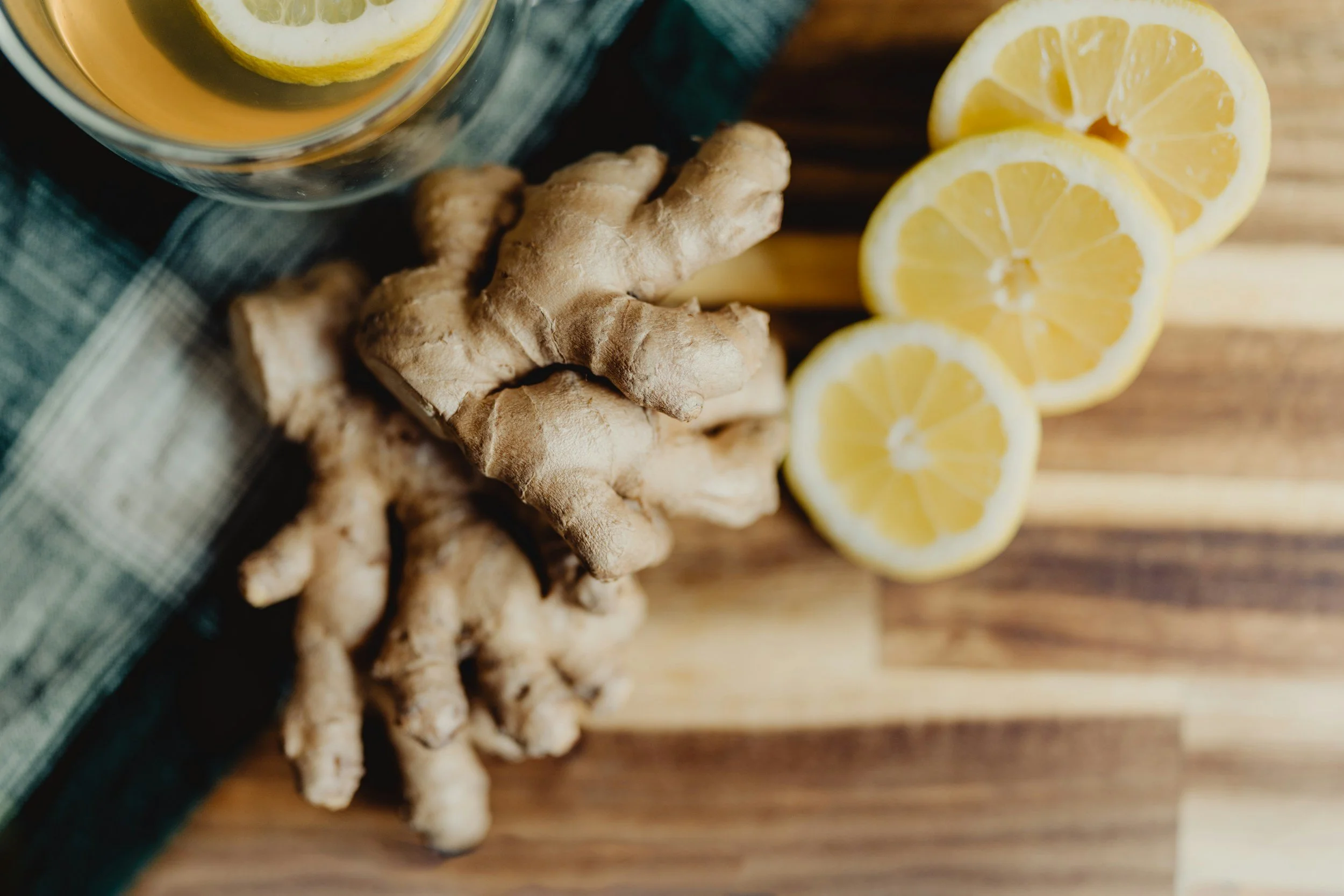
Ginger is a good example. It supports digestion, inflammation regulation, circulation and immune signalling, and small, regular amounts matter more than large doses.
Easy ways to use ginger:
Add fresh slices to hot water or herbal tea
Grate into soups, stews or broths
Stir into porridge or overnight oats
Blend into smoothies
Add to stir-fries, lentils or rice dishes
Use ground ginger in baking
Freeze fresh ginger for easy use
Winter nutrition isn’t about doing everything perfectly. It’s about gently supporting the body so it can do what it’s designed to do - respond, adapt, and recover.